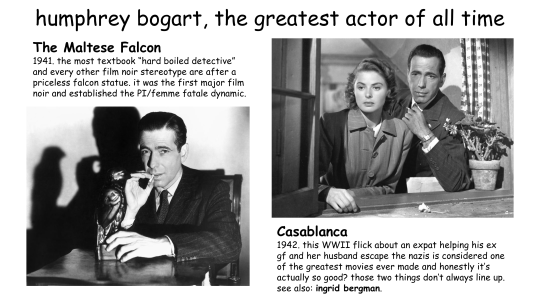
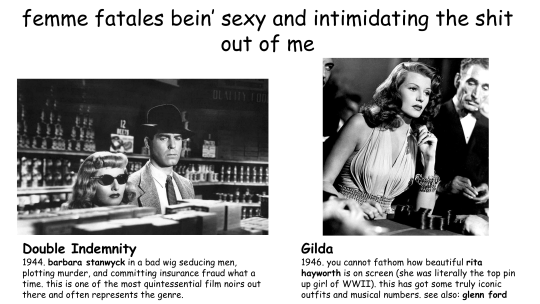
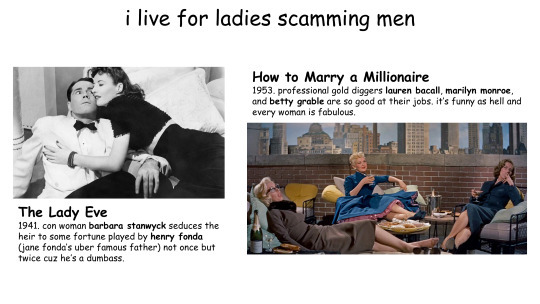
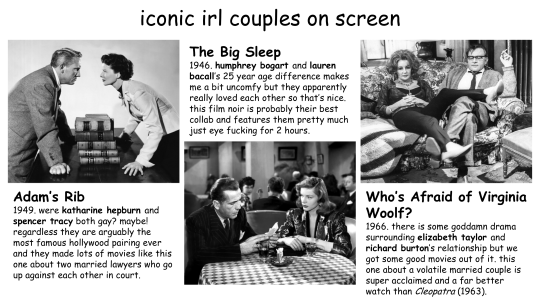
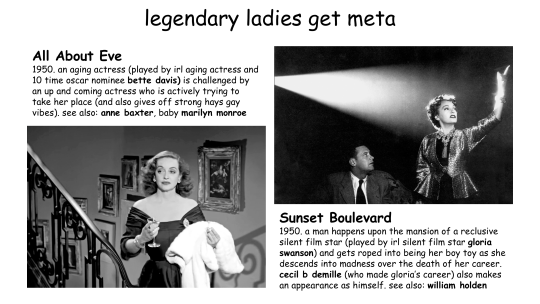
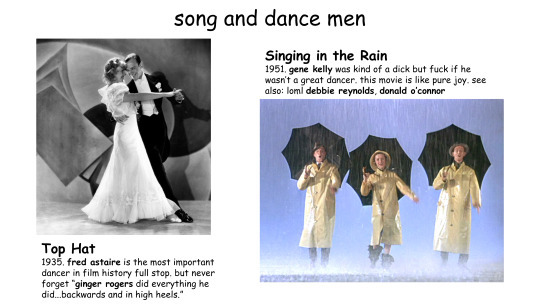
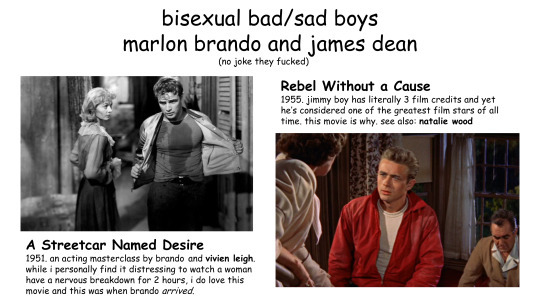
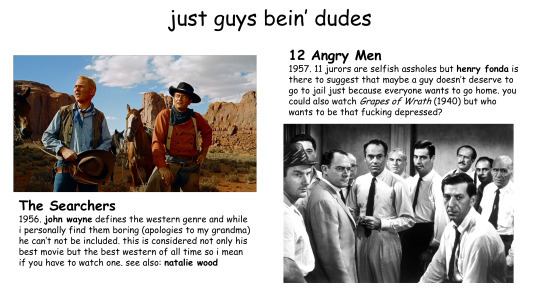
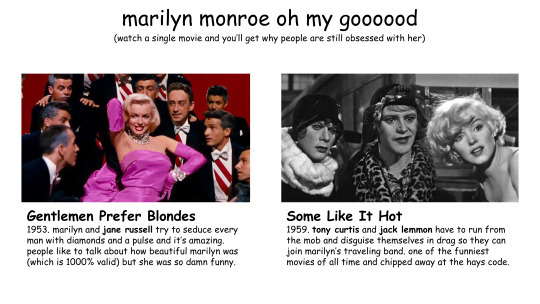
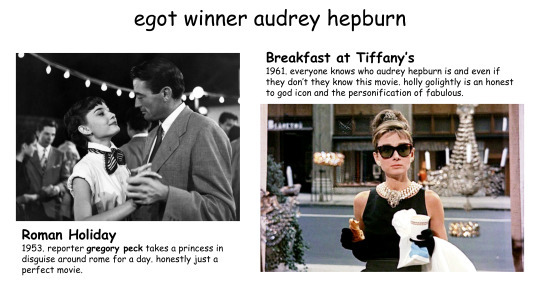
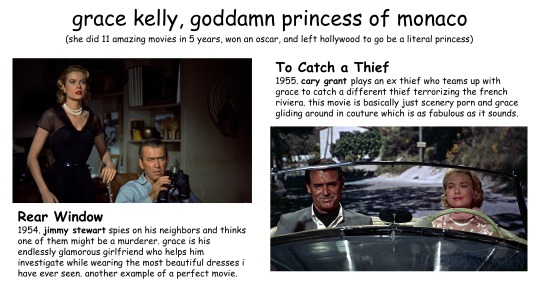
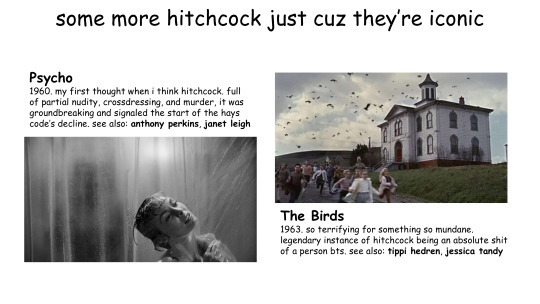
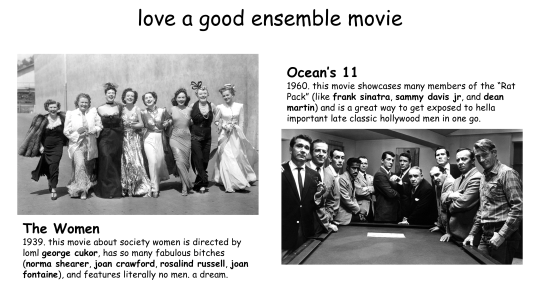
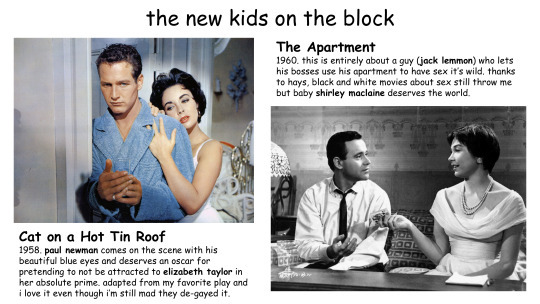
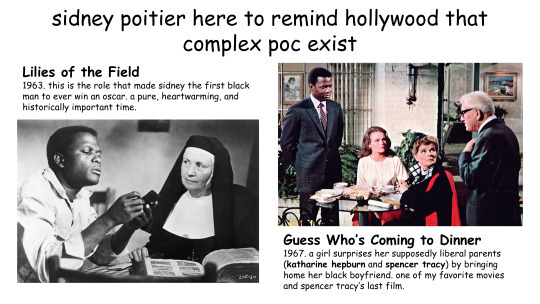
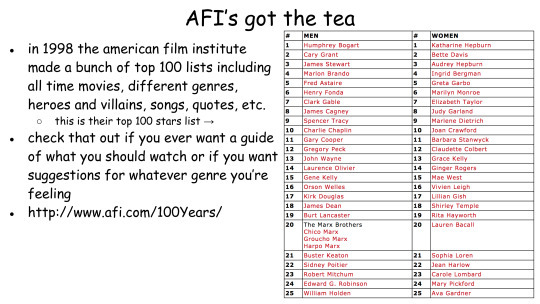
a crash crash course on the golden age of hollywood
to state the obvious, this is not meant to be a be all end all guide. it’s just a start for people who wanna know more about some of the essentials of the era. there’s plenty of people and movies i didn’t include but at least now you can listen to vogue and understand all the references.
i always thought of a king sized bed as being a bit bigger than a queen, but now that i have one, i can tell you that a king sized bed is an absurdity. i can sprawl out, and my husband can sprawl out, and the cat can sprawl out, and none of us are touching. i reach out in the night, and find only pillows and plush walruses. i reach further and eventually find his elbow. he rolls over the comforters to try and find me. “i have crossed oceans of bed to be with you,” he says. there is a vast expanse of bed untouched, unmapped, unexplored. the cat is still trying to sleep on my face.
lots of folks saying “oh you should see the california king” but
in a california king we would actually be four inches closer
maybe they’re putting their california kings sideways
Consider though: the Alaska King.
i can’t believe i have to buy a new mattress AGAIN
the Alaskan and Wyoming King bed sizes are aptly named, as they are both very large but each contain about like two or three people
a jersey king is a broken futon with five drunk people sleeping over on it
^^this fucking killed me
you mean there’s beds that are ACTUALLY JUST SQUARE?????
I think the best piece of character design advice I ever received was actually from a band leadership camp I attended in june of 2017.
the speaker there gave lots of advice for leaders—obviously, it was a leadership camp—but his saying about personality flaws struck me as useful for writers too.
he said to us all “your curses are your blessings and your blessings are your curses” and went on to explain how because he was such a great speaker, it made him a terrible listener. he could give speeches for hours on end and inspire thousands of people, but as soon as someone wanted to talk to him one on one or vent to him, he struggled with it.
he had us write down our greatest weakness and relate it to our biggest strength (mine being that I am far too emotional, but I’m gentle with others because I can understand their emotions), and the whole time people are sharing theirs, my mind was running wild with all my characters and their flaws.
previously, I had added flaws as an after thought, as in “this character seems too perfect. how can I make them not-like-that?” but that’s not how people or personalities work. for every human alive, their flaws and their strengths are directly related to each other. you can’t have one without the other.
is your character strong-willed? that can easily turn into stubbornness. is your character compassionate? maybe they give too many chances. are they loyal? then they’ll destroy the world for the people they love.
it works the other way around too: maybe your villain only hates the protagonist’s people because they love their own and just have a twisted sense of how to protect them. maybe your antagonist is arrogant, but they’ll be confident in everything they do.
tl;dr “your curses are your blessings, and your blessings are your curses” there is no such thing as a character flaw, just a strength that has been stretched too far.
This is such a fabulous flip side of what I’ve always known about villians. That their biggest weakness is that they always assume their own motivations are the motives of others.
everytime u see a old photo of a snazzy 1920s dude in a suit remember what lurks beneath
okay why are you guys reblogging this and tagging it as reference do you plan on drawing 20s gangsters in their underwear i better see these
I couldn’t help myself
To be fair, underwear that fully covers the body from neck to knees makes a lot of sense when you’re wearing a dry-clean-only suit as your everyday outfit; it prevents sweat from soiling the garment’s inner layer, and thus lets you go longer between launderings. The development of modern underwear tracks pretty much directly with the shift to washable daywear, which removes much of the need for such extensive protection.

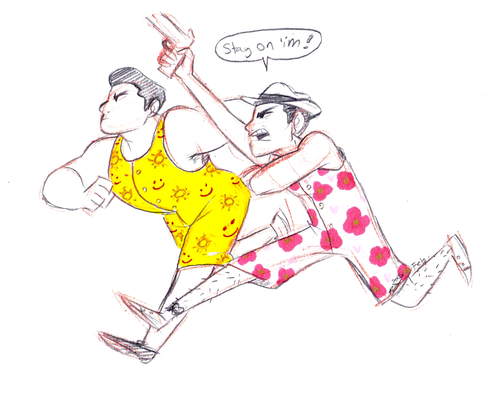
The part that makes least sense is how it’s sleeveless and thus doesn’t protect suits from armpit sweat. Surely the armpit is one of the most important places to put this kind of undergarment? T-shirts were originally designed as an undergarment that does protect clothing from armpit sweat, but they weren’t popularized yet in the 20s.
Most union suits did indeed have full or partial sleeves; the ones pictured in the original post are more fashionable than functional, probably intended to be worn with eveningwear.
Wow this was informative
Eveningwear? So… this is 1920s men’s lingerie. GTK
Illustrations from various copies of Aristotle’s Masterpiece, the wildly popular sex manual which went through hundreds of editions from the 17th through to the 19th century. Learn more in our latest essay “When the Birds and the Bees Were Not Enough: Aristotle’s Masterpiece” – http://bit.ly/1JiEvC8